TINKER
Project description
Autonomous driving and advanced driver assistance systems (ADAS) are inconceivable without high-performance microelectronics and sensor systems – especially radar and LiDAR sensors. Demand for these key technologies is growing rapidly; the automotive LiDAR market alone is expected to double within just a few years. At the same time, there is increasing pressure to miniaturize sensor packages further and integrate them into body components such as bumpers, grilles, and headlights and taillights, rather than mounting them visibly on the vehicle.
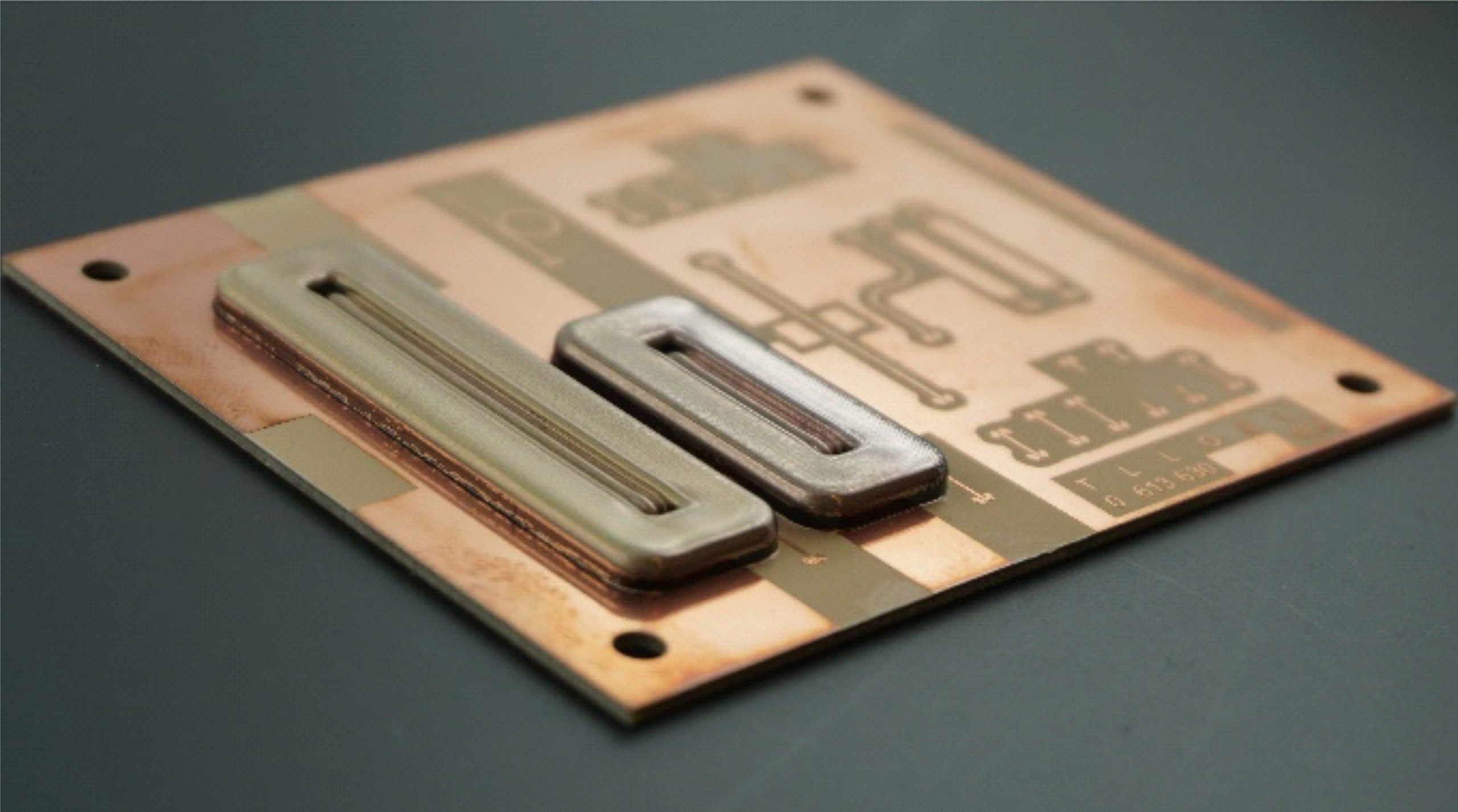
Since safety is paramount in the automotive sector, highly precise, reliable, and energy-efficient radar and LiDAR systems are essential. Current limitations, however, include the relatively large size, weight, and energy consumption of the sensors – critical factors in vehicle design. This is where TINKER – Fabrication of Sensor Packages enabled by Additive Manufacturing comes in: The project develops new, additively manufactured sensor packages that are more compact, lighter, more resource-efficient and cost-effective to produce, thus paving the way for the next generation of integrated sensors in vehicles.
Project objectives and technical innovation
The goal of TINKER is to develop a new, reliable, precise, and economical manufacturing process for radar and LiDAR sensor packages based on additive manufacturing. The project focuses on two main objectives: (1) establishing the modular TINKER platform as a flexible AM manufacturing environment and (2) prototypically producing miniaturized radar and LiDAR sensor packages as industrial use cases.
The technically innovative aspect lies in the use of nanoimprint lithography (NIL) and other AM technologies as disruptive, highly flexible manufacturing and assembly processes for microcomponents. The TINKER pilot line enables the precise structuring and integration of electronic and optical components in compact sensor packages, reduces material usage and process steps, and facilitates a high degree of automation. Thanks to its modular design, the platform can be adapted to different designs and production volumes, thus supporting the transformation of the European microelectronics and automotive industries toward digitized, resource-efficient production processes.
Miniaturized sensor packages: Advantages for the automotive industry, production and R&D
- For vehicle manufacturers and suppliers: Smaller, lighter, and more energy-efficient radar and LiDAR sensor packages facilitate integration into vehicle bodies, improve design freedom, and support safe ADAS and autonomous driving functions.
- For production: Additive manufacturing and NIL-based processes shorten production times, increase automation, improve precision, and reduce scrap rates – while simultaneously increasing resource efficiency.
- For research & Industry 4.0: TINKER expands the range of available microelectronics and miniaturization solutions and generates new know-how for SMEs and R&D partners. The pan-European consortium of leading industrial companies, research institutions, and service providers strengthens Europe’s leading position in microelectronics manufacturing and in the field of additive high-tech processes.
Project related documents