MC4
Project description
Fibre-reinforced parts made from carbon and glass fibre are key components for lightweight construction in the aerospace, automotive, wind energy and maritime sectors. However, at the end of the life of these components there are substantial problems with respect to recycling. Incineration and landfilling are still commonly used and valuable material is lost.
In the project MC4 methods for the recycling of carbon and glass fibre composite parts were developed. The project focused on technologies that can be implemented in the short term as well as more long-term developments for future end-of-life parts. The substantial difference in costs of carbon and glass were taken into account to obtain materials that can be used in high-level applications.
A particular focus of the project was on the design of products made from recycled materials. This was considered necessary to create a demand for secondary raw materials, and to initiate the circular processes. For this purpose, seven different products were developed, from applications in aerospace over sports equipment to boat-building.
Project objectives and technical innovation
The M4 project aimed at the development of a circular process chain for carbon and glass fibre components and materials. Research activities also included the design of parts made from recycled material.
The main objectives included:
- For glass fibre composites: due to the low cost of primary galss fibre, the re-use of the whole composite was investigated. This included the development of new types of resins that allow the re-forming of parts, thus giving them a second life in a different application. Also, the shredding and re-use of the composite as filler in composite parts was investigated, aiming at particles of a few cm in size to retain some of their mechanical strength.
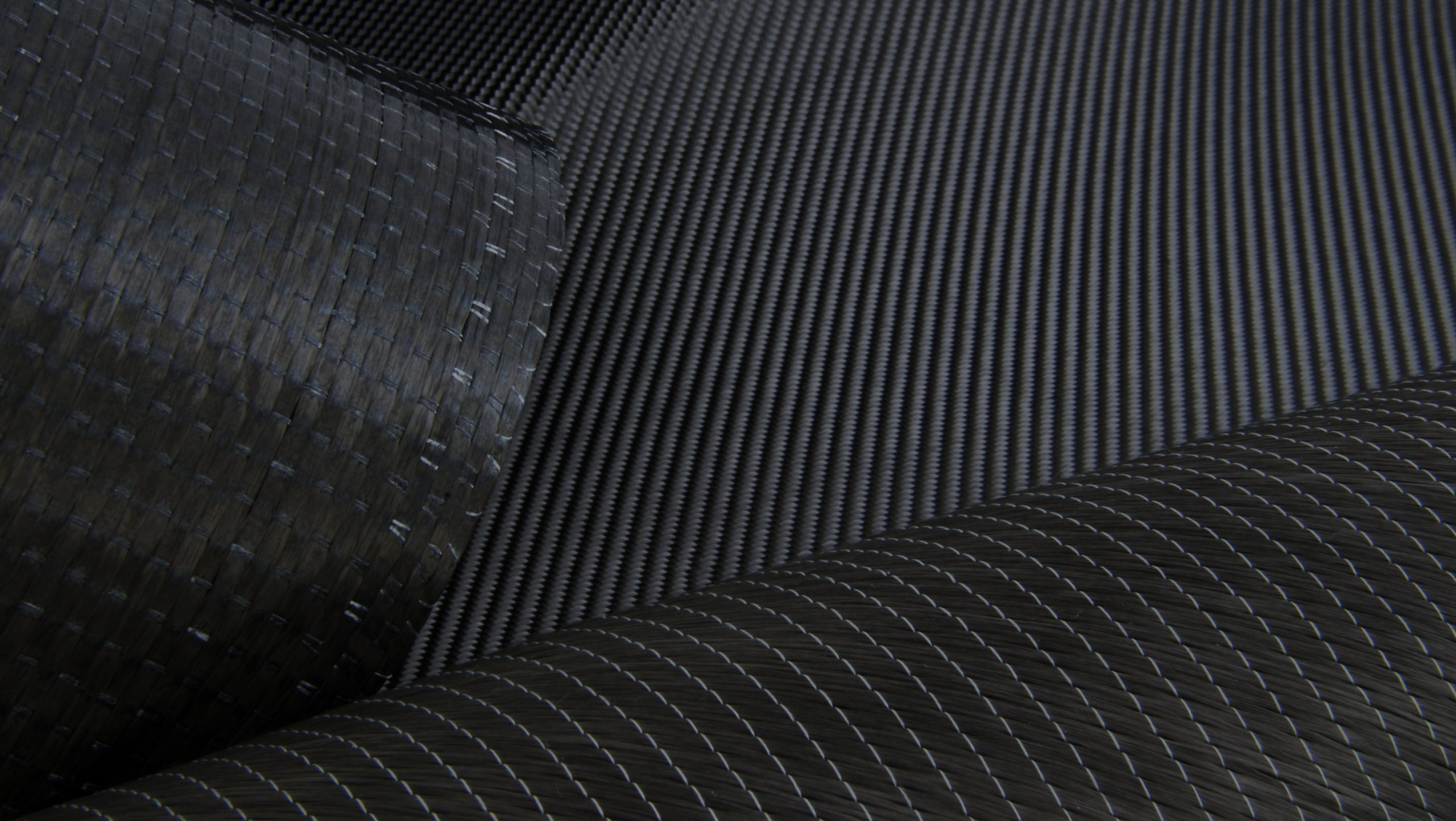
- For carbon fibre composites: the higher costs of carbon fibre allow the separation of matrix and fibre to recover the fibre. Textile processes were developed to obtain technical textiles that can be used instead of primary carbon fibre.
- Part design: specific part designs were made using recycled material in seven different applications. These parts were built in the project and serve as best practice examples
Contribution by PROFACTOR: Quality assurance & inline sensing
The developments by PROFACTOR focused on the inspection of the recycled carbon fibre textiles. This inspection aimed at the grading of the quality to maximize the re-use of the material in high-level applications. Inline quality control could also be used to maintain a constant level of quality despite the variability of the incoming secondary raw material.
For this purpose PROFACTOR develop a sensor system that is able to scan the whole width of the fabric during the manufacturing, including the detection and localization of defects as well as the overall quality, characterized in terms of distribution of fibre orientations in the material.
- Detect inhomogeneities, fiber gaps, or local compactions at an early stage
- Better assess material properties
- and adapt process parameters to the quality of the recycled material.
This enables PROFACTOR to provide a crucial building block for safely and reproducibly integrating recycled carbon and glass fiber fabrics into new components.
Application & benefits for the market, environment, and research
- For industry: MC4 enables new, circular business models, which include economically feasible recycling processes. This also reduces the dependence on primary raw materials and increases sustainability.
- For environment and society: the current approach of landfilling and incineration is not sustainable. MC4 technologies reduce energy consumption and CO2 emissions, particularly for the manufacturing of primary raw materials.
- For research and development: the MC4 project demonstrated the technical and economic feasibility of circular process chains and support future developments in circular high-value materials.