KIRAMET
Project description
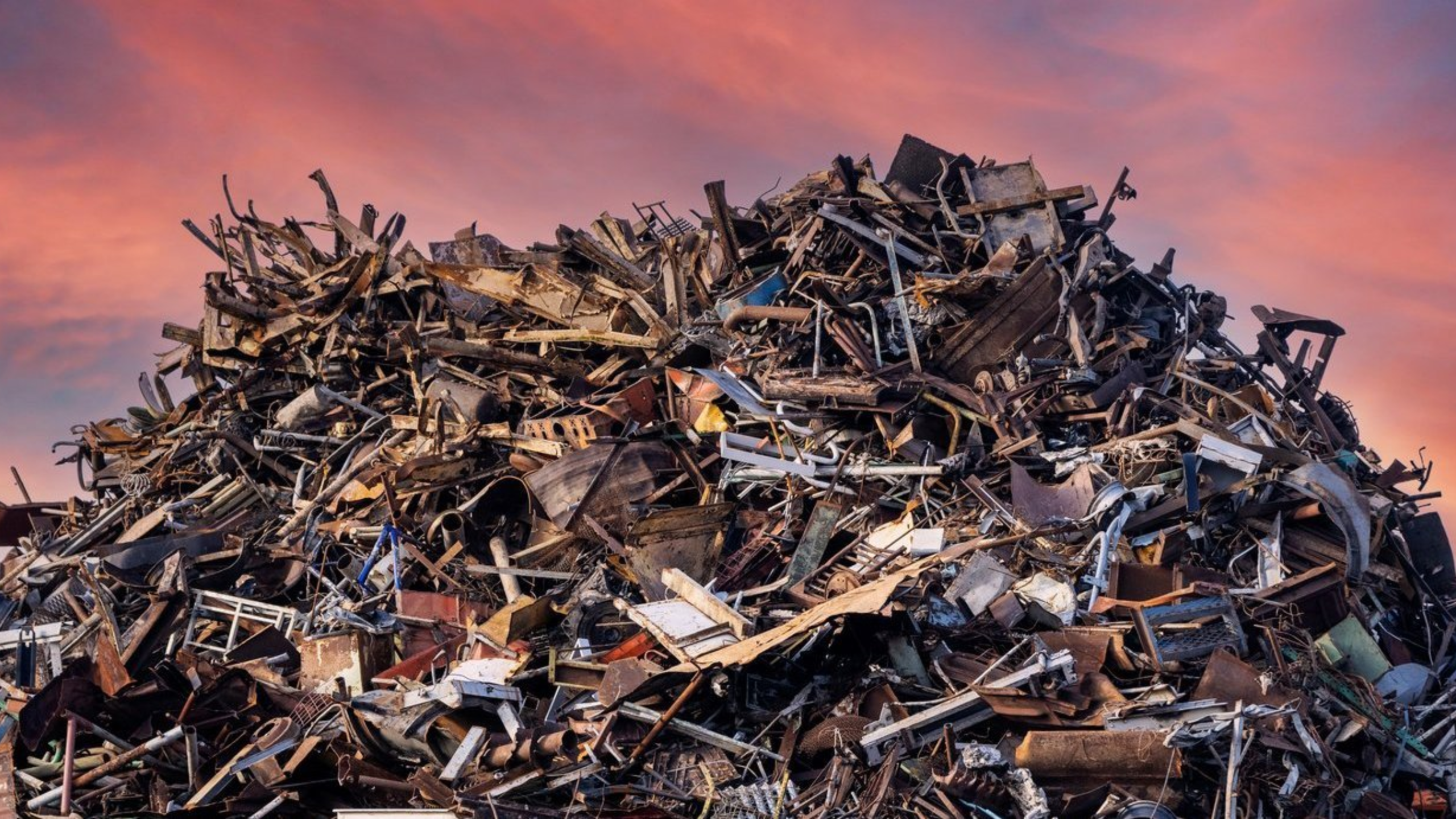
KIRAMET – AI-based recycling of metal composite waste – is an Austrian flagship project advancing the circular economy in the metals sector. Against the backdrop of the European Green Deal and the EU circular economy strategy, resource consumption and CO₂ emissions must be significantly reduced, while resource efficiency and security of supply are increased. Metals in particular have a substantial environmental footprint: metal production often consumes multiples of the raw materials compared to the amount of usable metal ultimately produced.
This is where KIRAMET comes in: the project aims to fundamentally improve the recycling of metal composite waste—such as from vehicles, electrical appliances, or end-of-life scrap—using artificial intelligence (AI). To achieve this, it takes a holistic view of the entire recycling chain, from collection and dismantling to processing and metallurgical recovery, and models it end-to-end in a data-driven and digitally integrated way.
Project objectives and technical innovation
A core objective of KIRAMET is to develop AI-based solutions for highly efficient, sensor-supported sorting and recovery of metal composite waste—and to transfer these solutions into industrial practice. The project follows a consistently application-driven approach across the entire value chain.
Key technological focus areas include:
- Efficient sensor-based particle sorting: Computer vision, spectroscopy, and other sensor technologies are combined with modern AI methods to accurately detect, classify, and separate metal particles and composite materials into high-purity fractions.
- Intelligent recycling platform: A digital platform connects data across the entire value chain—from acquisition and preprocessing through to metallurgical process control. This enables post-consumer waste streams to be enriched with decision support for optimal recovery and transformed into secondary raw materials with higher added value.
- Support for digital product passports: KIRAMET is developing classification systems that can assess—especially for vehicle components—their actual recyclability, providing an important building block for future Digital Product Passports.
- Practical implementation through use cases: The AI solutions will be tested and refined at real scale in three industrial use cases together with participating companies, ensuring practical viability and long-term adoption in the recycling sector.
The consortium brings together leading industrial and research partners, including Montanuniversität Leoben, K1-MET, voestalpine, Salzburg Research, the Software Competence Center Hagenberg, PROFACTOR, and other companies from the recycling and metals industries.
AI for metal recycling—from waste fractions to high-value secondary
- For recycling companies: KIRAMET enables significantly more precise and efficient sorting of metal composite waste. This reduces losses, increases yields of high-quality fractions, and improves the economic viability of complex recycling processes.
- For the metals and steel industry: By improving the quality and availability of secondary raw materials, the use of primary resources can be reduced, CO₂ emissions lowered, and security of supply strengthened.
- For policymakers and society: The project directly contributes to the objectives of the European Green Deal and the circular economy by increasing resource efficiency, reducing waste volumes, and supporting more climate-friendly production processes.
- For research and digitalisation: KIRAMET serves as a showcase for how AI, sensor technologies, and digital platforms can be applied in a highly complex domain such as metal recycling—including new data models, AI workflows, and interfaces to digital product passports.
With its integrated view of the entire recycling process and a strong focus on industrial deployment, KIRAMET helps embed AI solutions sustainably in the recycling sector, close metal loops, and pave the way toward a more sustainable, climate-neutral circular economy.