BatteryLife
Project description
Lithium-ion batteries are among the key components of electromobility. At the same time, their high acquisition costs represent one of the greatest obstacles to the widespread adoption of electric vehicles. After their use as traction batteries, aged battery systems often no longer meet the high requirements for power and energy density in vehicle operation. However, for many stationary applications, they can still provide valuable storage functions.
This is where BatteryLife comes in: the project comprehensively investigates how batteries can be reused in suitable second-life applications after their first use. These include, for example, use as home storage systems for photovoltaic installations or as buffer batteries to cover peak loads in intelligent charging stations.
By extending battery service life, the project aims to unlock additional value creation potential, indirectly reduce the acquisition costs of electric vehicles and improve the environmental footprint of battery systems. To achieve this, technical, economic and ecological issues along the entire battery life cycle are examined – from cell chemistry and product design to analysis and measurement methods, as well as assembly, maintenance, disassembly and reuse.
Project objectives and technical innovation
The central objective of BatteryLife is to develop a comprehensive reuse concept for batteries that is both ecologically and economically sound. Second-life applications are considered at pack, stack, module and cell level.
The key objectives and innovation areas are:
- Battery reuse concepts: Development and evaluation of concepts for secondary use at pack, stack, module and cell level.
- Analysis of current and future cell chemistries: Investigation of cell chemistries with regard to extended life cycles, ageing behaviour and suitability for second-life applications.
- Efficient qualification methods: Development of measurement methods and devices to reliably and productively assess the condition of batteries, modules and cells.
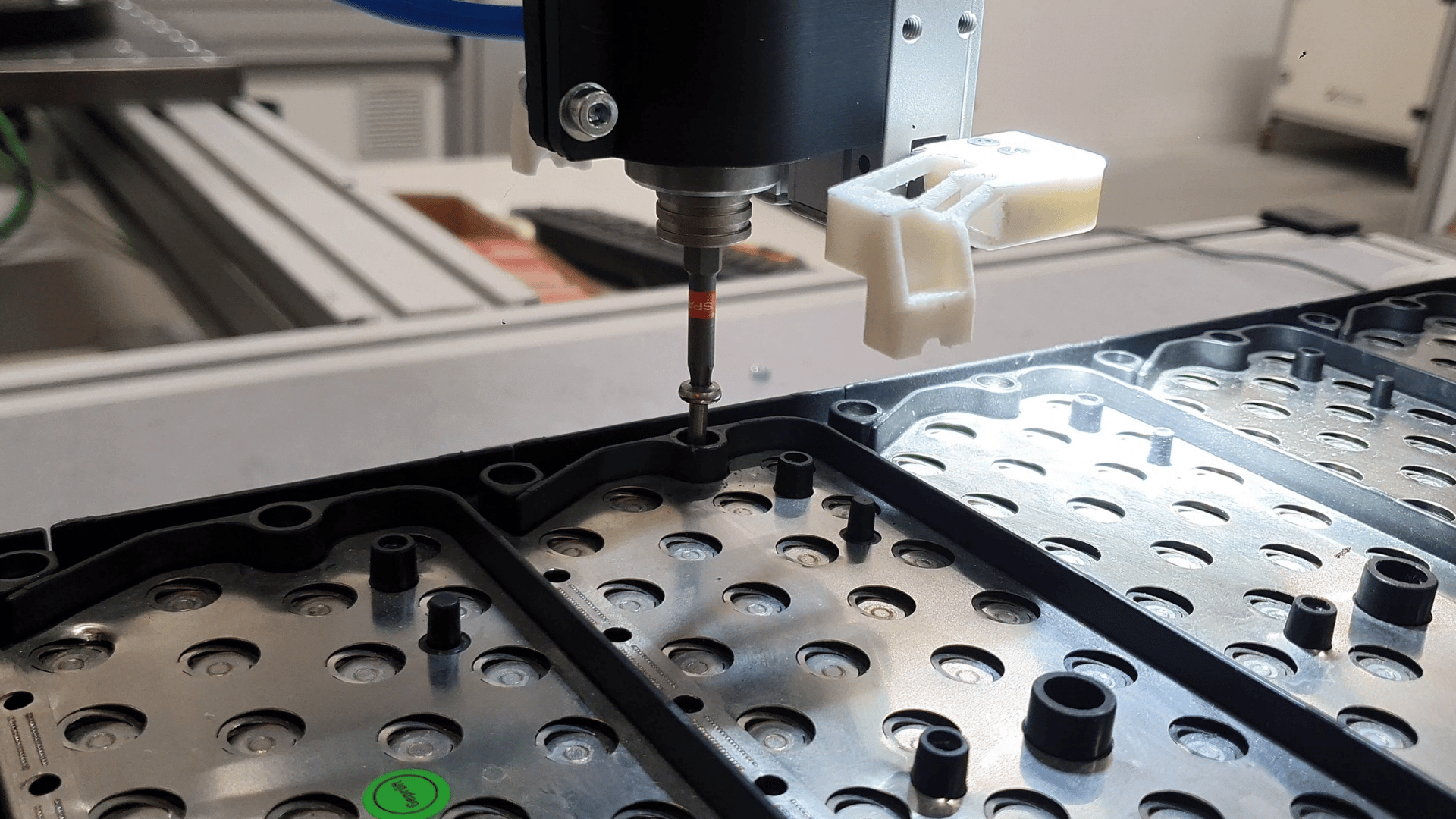
- Productive assembly and disassembly processes: Research into economically viable methods for the production, maintenance, disassembly and reuse of battery systems.
- Laboratory demonstrators with practical relevance: Implementation and testing of the developed approaches using exemplary laboratory demonstrators.
- Ecological evaluation: Quantification of potential emission reductions and assessment of the impact on resource consumption and circular economy.
Benefits for the Market, Research & Users
- For electromobility: The secondary use of batteries can help reduce the total cost of electric vehicles by unlocking additional usage phases and revenue potential.
- For energy applications: Second-life batteries open up new opportunities for stationary storage solutions, for example in combination with photovoltaic systems or charging infrastructure.
- For industry and production: Productive assembly, maintenance and disassembly processes create the basis for economically viable reuse concepts.
- For research and development: The project provides a deeper understanding of battery condition, cell chemistry, ageing and qualification methods at different system levels.
- For the environment and circular economy: By extending battery life cycles, resources can be used more efficiently, emissions can be reduced and circular economy strategies in the battery value chain can be strengthened.
Video